

The story of the General Slocum is filled with things that failed. The fire hoses failed. The lifeboats could not be launched. The life preservers could not be trusted. But outside the ship, ordinary people saw what was happening and ran toward it.
Mary McCann

Mary McCann was a fourteen-year-old patient at Riverside Hospital on North Brother Island. A recent immigrant from Ireland, she was recovering from scarlet fever and measles when she saw the burning General Slocum approaching the island.
Mary ran to the shore and entered the East River. Although she was still ill, she repeatedly waded and swam into the water to pull children toward safety. Contemporary accounts credited her with saving as many as nine children. She continued until exhaustion forced her to stop.
Her bravery was not forgotten. In 1908, Mary was selected to receive the federal Silver Lifesaving Medal. She was the only woman among nine people honored for their actions during the disaster. Speaker of the House Joseph Gurney Cannon presented the medal to her in Washington in March 1909.
Attorney Francis Patrick Garvan was moved by her story and helped provide money for her education. Mary trained as a nurse, later married David Perlman, and raised four daughters. She lived until 1966.
Three Men in a Rowboat
Another rescue began across the water on Rikers Island.
John Merther and Dan Casey were prisoners at the Rikers Island workhouse. They were working under the supervision of Dr. Nathan E. Broder when they saw the burning General Slocum moving toward North Brother Island.
Merther and Casey pleaded with Broder to let them help. His hesitation was understandable. He was responsible for two prisoners, and taking them into the river created an obvious opportunity for escape. The men eventually convinced him.
The three climbed into a small rowboat and headed toward the wreck. They pulled both survivors and bodies from the water, carried them to North Brother Island, and then returned for more. They repeated the trip until they were too exhausted to continue.
When it was over, Merther and Casey returned to Rikers Island and resumed their custody. They had been given an opportunity to escape. Instead, they used it to save lives.
North Brother Island
The doctors, nurses, attendants, construction workers, and patients on North Brother Island became the disaster’s first responders.
The island normally operated as a quarantine hospital for people with contagious diseases. On June 15, 1904, its purpose changed within minutes. Hospital workers abandoned their regular duties and rushed toward the shoreline.
Construction ladders were pushed into the water so passengers who could not swim would have something to reach. Rescuers formed human chains along the shore and pulled people from the current. Doctors and nurses treated the injured while healthier patients helped revive children brought onto the beach.
The island became a rescue station, emergency hospital, and temporary morgue. People who had been patients that morning were suddenly helping save the lives of strangers.
The River Comes to Help
Help also came from across the East River.
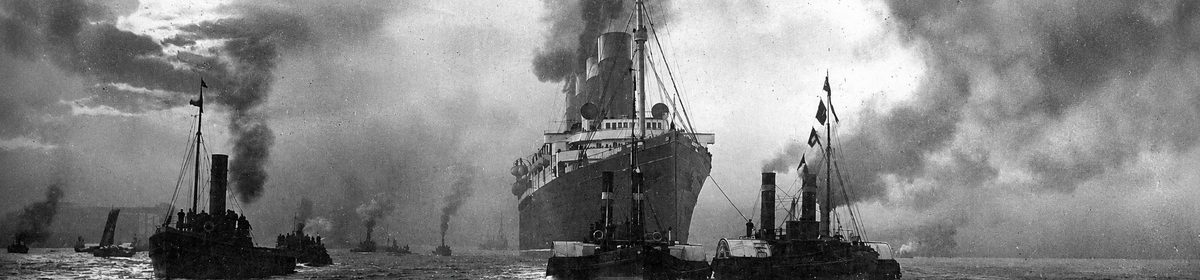
Approximately a dozen tugboats, two FDNY fireboats, a police boat, private launches, and more than one hundred other vessels converged around the burning ship. Some tugboat crews pushed their bows against sections of the Slocum, giving passengers a chance to jump onto their lower decks. Other crews pulled people directly from the water.
The rescuers faced flames, smoke, strong currents, floating wreckage, and hundreds of frightened passengers. Some of the rescue vessels were scorched and caught fire as their crews moved close to the burning steamer. They continued anyway.
Almost every safety measure aboard the General Slocum failed. The people surrounding her had no organized plan and little time to think. They used rowboats, ladders, ropes, tugboats, and their own hands.
The ship carried everything the law said was needed to save its passengers. In the end, many survivors were saved by people who simply refused to remain safely onshore.


