
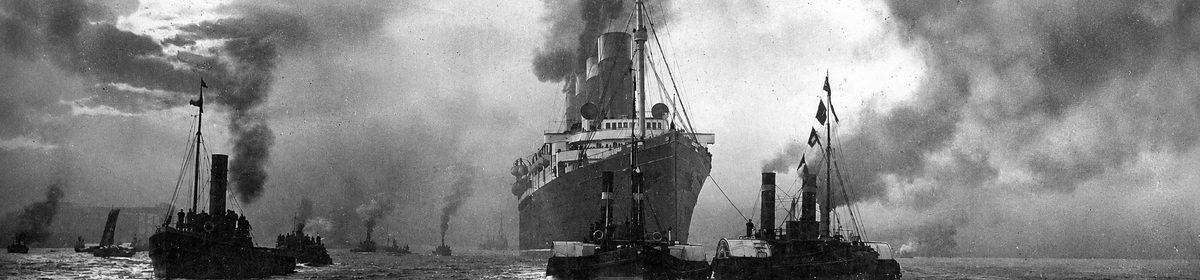

I want to thank Lisa for recommending this one. This story includes how horrible war can be. This one is about as dark as you can get. In this story, the ship is just one of the backdrops.
On February 12, 1942, 65 Australian Army nurses boarded the SS Vyner Brooke as Singapore fell to the Japanese. Only 24 of them would return home after the war. The Vyner Brooke was built in Leith, Scotland, and launched in November 1927. Completed the following year, she served as both the royal yacht of Sarawak and a merchant ship carrying passengers and cargo between Singapore and Kuching.
Her name honored Sir Charles Vyner Brooke, the Third Rajah of Sarawak. She sailed under the flag of the Sarawak Steamship Company and was a modest, dependable ship built for peaceful service. She was never intended for war.
After Japan entered the conflict, the British Royal Navy requisitioned the Vyner Brooke and converted her into an armed trader. She was painted grey and given defensive weapons, but she remained a small merchant ship facing an enemy that controlled the skies and surrounding waters.
By February 1942, Singapore was collapsing. Japanese forces were closing in, and ships carried anyone they could evacuate. On the evening of February 12, the Vyner Brooke became one of the last ships to escape.
She normally carried only 12 passengers in addition to her crew of 47. That night, at least 181 passengers crowded aboard, most of them women and children. Some estimates place the actual number much higher because the evacuation was conducted amid confusion and fear.
Among the passengers were the final 65 members of the Australian Army Nursing Service remaining in Singapore. Many were reluctant to leave while wounded soldiers still needed care, but they had been ordered to evacuate.
During the daylight hours of February 13, the ship sheltered near a small jungle-covered island. A Japanese aircraft attacked that afternoon but caused no serious casualties. After sunset, the Vyner Brooke attempted to pass through the Bangka Strait toward Palembang, Sumatra.
Japanese warships blocked her progress, and daylight found the small ship exposed on a flat sea.
Shortly after 2:00 p.m. on February 14, several Japanese aircraft attacked. Captain Richard Borton attempted evasive maneuvers, but bombs struck the ship. The nurses treated the wounded and helped prepare passengers to abandon her. Within approximately half an hour, the Vyner Brooke rolled over and sank bow-first.
Twelve of the Australian nurses were killed during the bombing or drowned afterward. Other survivors clung to rafts, lifeboats, and pieces of wreckage. Some remained in the water for more than 60 hours before reaching Bangka Island. Approximately 150 survivors eventually made it ashore. The island, however, had already been occupied by Japanese forces.
Some landed at Radji Beach, where survivors from the Vyner Brooke joined civilians, Commonwealth servicemen, and merchant sailors from other ships that had also been sunk. With little food and no medical help, a group went in search of Japanese troops, hoping everyone would be taken prisoner.
On February 16, Japanese soldiers arrived at the beach. The male survivors were taken away in groups and killed. The soldiers then ordered 22 Australian nurses and one British civilian woman to walk into the sea before opening fire from behind.
Sister Vivian Bullwinkel was wounded but survived by remaining motionless in the water until the soldiers left. She later found Private Cecil Kinsley, a wounded British soldier who had also survived. Bullwinkel treated his injuries as they hid in the jungle for several days.
With no food or hope of escape, they eventually surrendered. Kinsley died from his wounds soon afterward. Bullwinkel became a prisoner and spent the remainder of the war in camps on Bangka Island and Sumatra.
Of the 65 Australian nurses who boarded the Vyner Brooke, 12 died during or after the sinking. Twenty-one were murdered at Radji Beach. Thirty-two became prisoners, including Bullwinkel, and eight of those women died in captivity.
Only 24 returned to Australia.
After the war, Bullwinkel testified about the massacre during war-crimes proceedings. She continued her career in nursing and devoted much of her later life to remembering the women who never came home.
The story of the Vyner Brooke is difficult to read, but it should not be forgotten! The ship was lost, most of the witnesses were killed, and the surviving nurses spent more than three years in captivity.
The full truth survived largely because Vivian Bullwinkel survived to tell it.


This one is long but has a lot of information


